Normative Case Studies
Normative case studies are brief scenarios that provide a framework for group discussions, encouraging participants to contemplate multiple perspectives on difficult topics.
Developed by Meira Levinson, the Juliana W. and William Foss Thompson Professor of Education and Society at the Harvard Graduate School of Education, normative case studies are used around the globe to help people from all walks of life discuss challenging ethical situations in a thought-provoking and inclusive way.
Normative case studies do not lead participants to a single correct answer or a specific “aha!” moment. Rather, they are tools used to facilitate conversations about challenging topics and dilemmas so that participants understand and appreciate others’ perspectives and deepen their capacity and inclination for reflection in a way that expands their thinking.
Currently available case studies are A Forced Reckoning, What’s in a Name?, A Fork in the “Rhodes”, To Teach or Not to Teach, and Visual Veritas.
A Forced Reckoning
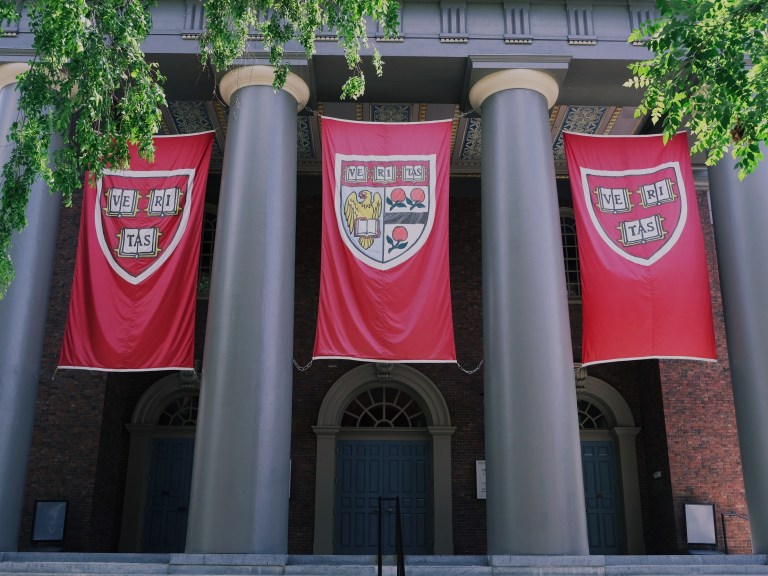
A Forced Reckoning, by Orelia Jonathan, Caroline Tucker, and Meira Levinson, provides a framework for readers to explore the challenges of engaging students in learning about Harvard’s ties to the institution of slavery. It is a tool for faculty, staff, students, alumni, and others interested in considering the questions: What responsibility does the University have to teach this history, and what are our personal responsibilities to learn? How might different approaches to teaching this history promote versus impede belonging on campus?
View and download the case study
View and download the facilitator’s guide
View and download the reader’s theater
View and download the “Leveraging Norms for Challenging Conversations” guide
What’s in a Name?
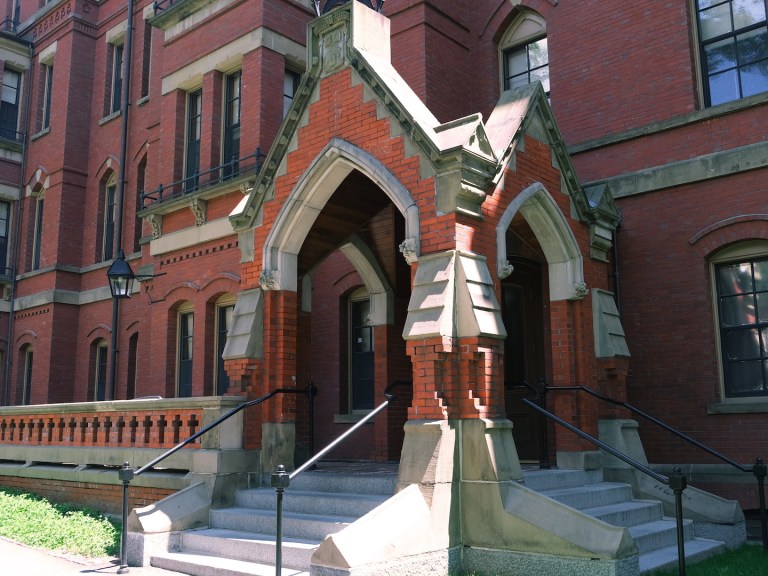
What’s in a Name?, by Caroline Tucker, Orelia Jonathan, and Meira Levinson, provides a framework for readers to explore the challenges universities face in confronting issues of memorialization and naming on their campuses. In this fictional case, participants will consider the following: What responsibilities do universities have to reconsider who they memorialize? How should they weigh different stakeholder perspectives? How might different approaches to naming promote versus impede belonging on campus?
View and download the case study
View and download the facilitator’s guide
View and download the reader’s theater
View and download the “Leveraging Norms for Challenging Conversations” guide

A Fork in the “Rhodes”
A Fork in the “Rhodes”, by Kate Daversa, is a case that provides a framework for readers to explore a fictional character’s thought process in navigating a scholarship opportunity that has ties to slavery. This case focuses on Layla, a Black college student with South African and Zimbabwean ancestry, grappling with whether to apply for the prestigious Rhodes Scholarship, knowing that its creator and primary funder spread white supremacy and imperialism across the African continent. Participants will navigate questions of whether Cecil Rhodes’ historical legacy should impact her decision, and if so, in which direction.
View and download the case study
View and download the facilitator’s guide
View and download the reader’s theater
View and download the “Leveraging Norms for Challenging Conversations” guide

To Teach or Not to Teach
To Teach or Not to Teach?, by Cat Huang, Caroline Tucker Mehta, and Sara O’Brien, provides a framework for readers to explore dilemmas related to university curriculum. In this fictional case, a group of literature professors weighs the historical and literary value of canonical texts like The Adventures of Huckleberry Finn against the potential harm such books may cause students, as well as the place of postcolonial texts in the literary canon. How, if at all, should historical context be taken into account as institutions and individual instructors choose which texts and thinkers to expose students to? How should instructors think about including figures with problematic legacies?
View and download the case study
View and download the facilitator’s guide
View and download the reader’s theater
View and download the “Leveraging Norms for Challenging Conversations” guide
Visual Veritas
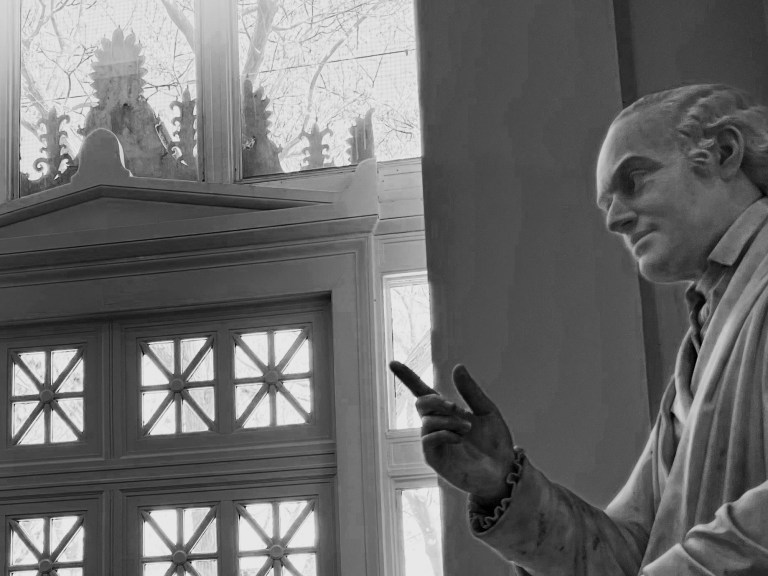
Visual Veritas, by Caroline Tucker Mehta, Sara O’Brien, and Meira Levinson, provides a framework for readers to explore dilemmas related to the legacy of slavery at Harvard through a nonfiction case that examines the ethical challenges that arise when universities memorialize historically complex figures through visual culture. It is a tool for faculty, staff, students, alumni, and others interested in considering this question: with an institutional commitment to truth and a more inclusive student body, what are the tradeoffs for Harvard to consider when revisiting artistic representations of monuments to complex historical figures around campus?
View and download the case study
View and download the facilitator’s guide
View and download the “Leveraging Norms for Challenging Conversations” guide
For more information about normative case studies and how to use them to facilitate difficult conversations, read these frequently asked questions or contact the Harvard & the Legacy of Slavery Initiative at legacyofslavery@harvard.edu.
Grappling with a topic like the legacy of slavery can be overwhelming. Community Care Resources are available for members of the Harvard community seeking support for mental, spiritual, and emotional well-being.