Henry Louis Gates Jr. reflects on confronting Harvard’s historical ties to slavery and shares a vision for the path ahead
By Julita Bailey-Vasco | November 21, 2025
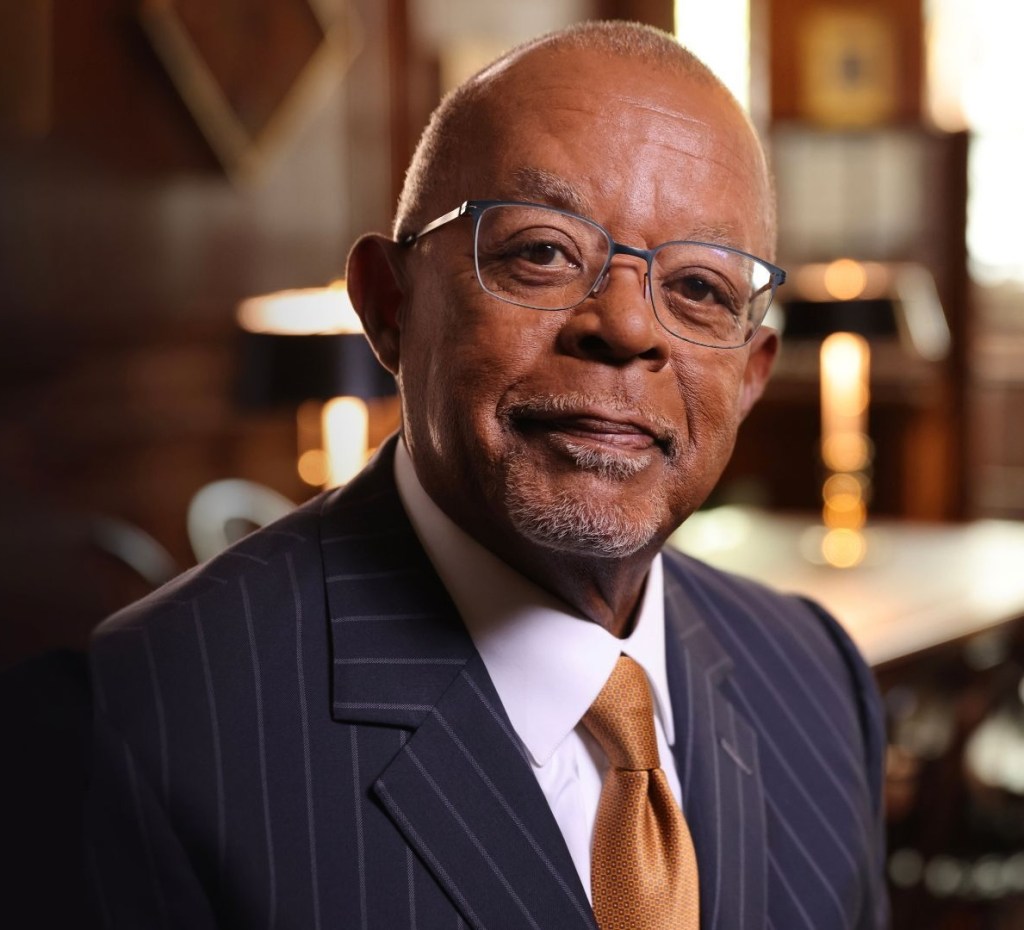
Henry Louis Gates Jr. is one of six advisors on the Harvard & the Legacy of Slavery (H&LS) Initiative’s Advisory Council. An esteemed scholar in African American History and the Alphonse Fletcher University Professor and director of the Hutchins Center for African and African American Research at Harvard University, Gates is also known for his role in creating, hosting, and producing the PBS series, Finding Your Roots. Gates helps guide the Initiative’s efforts to advance descendant research as a member of the Advisory Board for the Initiative’s genealogical research partner, American Ancestors.
Gates recently reflected on the work of the Initiative, his vision for it, and his hopes for the future.
Bailey-Vasco: Why is the work of the Harvard & the Legacy of Slavery Initiative important to you? Why is it important for Harvard University to do this work?
Gates: As someone who has spent my life educating others about African American culture and history, the Harvard & the Legacy of Slavery Initiative is not just important academic work—it’s a moral imperative. Threads of Harvard’s history, like so many of its peer institutions in our country, unfortunately, are interwoven with the legacies of slavery. Unearthing these connections by assiduously researching the University’s archives is essential if we are to fully understand our past, learn from it, and use what we have learned to lead the University and the American academy into the future. We have to understand the full story of Harvard’s history—our triumphs and the tragedies alike—because the past, as William Faulkner so brilliantly put it, “is never dead. It’s not even past.”
Bailey-Vasco: What is your vision for the Harvard & the Legacy of Slavery Initiative and what impact are you hoping the Initiative will have long-term?
Gates: The Initiative should foster historical clarity and accountability. I want every student, professor, and staff member who walks through Harvard Yard to be aware of the complexities of our history—our “ancestral DNA,” so to speak. My hope is that, over time, such unflinching self-examination will ripple outward: that Harvard leads not merely in scholarship but in institutional honesty and humility, openly confronting the complexities of our past.
…progress starts with transparency and a willingness to sit with discomfort, process it, and transcend it. The journey is not always neat or easy, but it is necessary, and transformative.
Henry Louis Gates Jr.
Bailey-Vasco: The Harvard & the Legacy of Slavery Initiative’s Advisory Council is composed of eminent scholars and historians. Can you talk a bit about your own expertise, the broader expertise of the Council, and how it’s helping guide this work?
Gates: I’ve been fortunate to spend my career studying chapters of American history – and more specifically, of African American history. Each member of this Advisory Council is a well-respected scholar and a leader in their fields. The work of the Council is about using our expertise to provide collaborative guidance. Together, we strive to ensure the implementation work of Harvard & the Legacy of Slavery Initiative is rigorous, comprehensive, and, crucially, guided by empathy as much as by evidence.
Bailey-Vasco: What’s the one thing you would like the broader community – at Harvard and beyond – to know about this Initiative?
Gates: I want the community to know that this Initiative is not about assigning guilt, nor is it simply a recitation of shameful facts. It is, in the deepest sense, an act of redemption. When we understand our institutional ancestry, as it were, more fully—no matter how complicated or painful—we become free to create, with our outstanding students and colleagues, a richer future for this University that we so profoundly shepherd and love.
Bailey-Vasco: What can we learn from other institutions that have embarked on the journey of reckoning with their ties to slavery?
Gates: One thing I always tell my guests—whether on TV or in seminars—is that every family, every institution, has its share of shadows and surprises. What we can learn from others who’ve gone before us is that progress starts with transparency and a willingness to sit with discomfort, process it, and transcend it. The journey is not always neat or easy, but it is necessary, and transformative.